The Product Launch Is Dead
The product launch used to be an event. Months of coordination. Press briefings. A coordinated blog post, a sales deck refresh, email campaigns dropping simultaneously. The "launch" was a moment in time, and the entire GTM organization oriented around it.
That model is gone. Not declining. Gone. The companies that still run quarterly big-bang launches are playing a game their engineering team abandoned years ago. Continuous delivery killed the launch. Most go-to-market organizations just have not noticed yet.
In 2026, a typical mid-size SaaS company deploys to production dozens of times per week. Features ship. Bugs get fixed. Integrations go live. Pricing logic changes. Each of these is, in some meaningful sense, a product update that the market should know about. The GTM organization that waits for a quarterly "launch" to communicate any of this is operating with a structural delay that compounds into lost deals, confused buyers, and stale competitive positioning.
Contents
What "Launch" Used to Mean
The big-bang launch made sense when shipping was expensive and infrequent. Pre-cloud, pre-agile, pre-CI/CD, a "release" was a major undertaking. Coordinating GTM around it was rational. You had one shot. The launch had to count.
The timeline looked like this:
Engineering builds the feature
Feature is developed, QA'd, and staged. No external communication. GTM teams have minimal visibility.
GTM ramp-up begins
Product marketing writes the brief. Sales gets a deck. Demand gen schedules the campaign. Everyone is working from the same spec.
Launch day
Blog post goes live. Press release out. Email drops. Sales starts pitching. Social goes out simultaneously.
Decay begins
The feature keeps evolving. The launch content does not. The gap opens immediately and widens from here.
This model worked when "ship" happened once or twice a year. It is completely incompatible with modern development cadences.
The Cadence Mismatch Is Getting Worse
Here is the actual state of the disconnect in 2026:
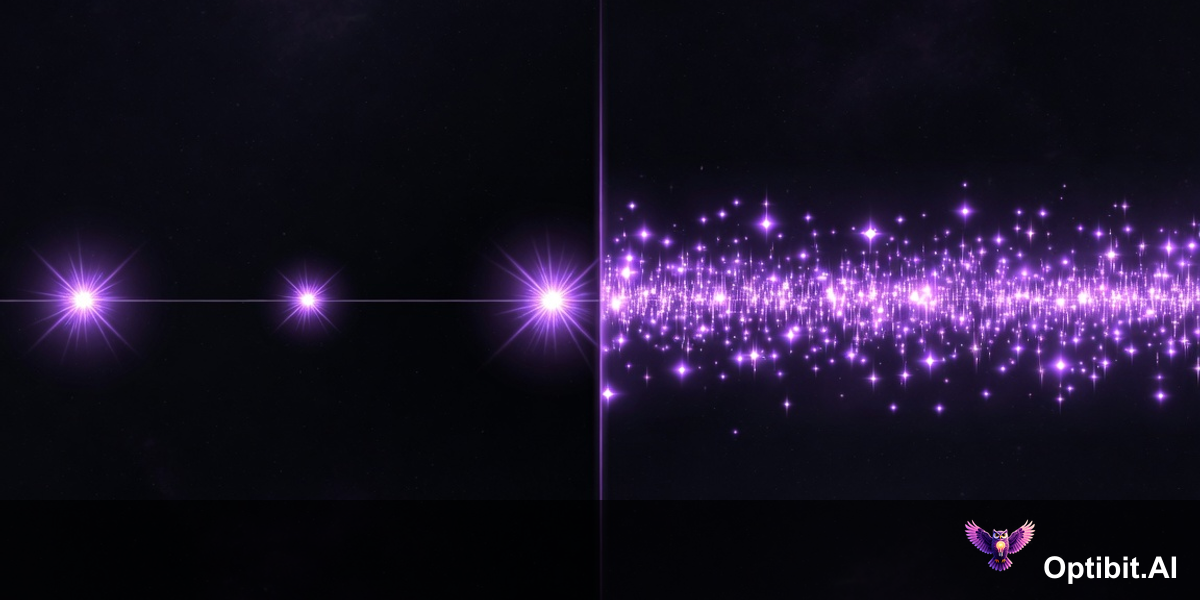
That 60:1 ratio is not a bottleneck. It is a structural misalignment. The GTM organization has approximately one-sixtieth of the coverage it needs to keep pace with what engineering is shipping. Everything in between those quarterly "launches" is invisible to buyers, partners, analysts, and the sales team working active deals.
The problem is not that your team is lazy. It is that the launch-centric GTM model was not designed for continuous delivery. It was designed for an era that no longer exists.
What the Gap Costs You
The gap between engineering cadence and GTM cadence creates specific, measurable damage:
What GTM knows
- Features from the last planned launch
- Competitive positioning from the last battle card refresh
- Integration list from the last partner update
- Pricing from the last pricing deck
- Compliance certifications from the last compliance update
What engineering shipped
- Features from this week's deploys
- Performance improvements no one communicated
- New integrations from the last three sprints
- API changes that affect how buyers evaluate the product
- Security updates that matter to enterprise procurement
Sales teams pitch from the left column. Buyers evaluate based on what they can find online, which also lags. Analysts and reviewers who publish third-party comparisons have even older data. The picture the market has of your product is frozen at your last launch moment.
When a deal loses to a competitor with nominally similar features, you often cannot identify the real cause in win/loss analysis. The buyer perceived a gap. That gap may have been closed three sprints ago. Your sales rep never knew it closed. Neither did the prospect.
The Always-On GTM Motion
Replacing the quarterly launch is not just a process change. It requires a fundamentally different model for how GTM content gets created and distributed.
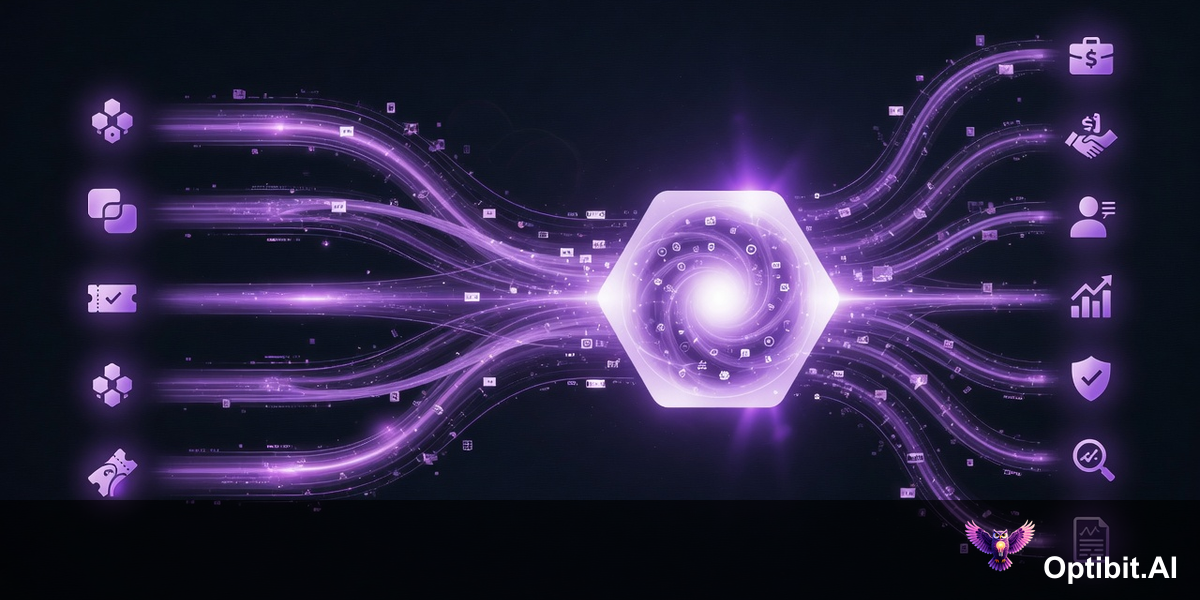
The always-on GTM motion looks like this: every time engineering ships something meaningful, GTM content begins generating automatically. Not at the end of a sprint. Not during a quarterly review. At the moment of the merge.
Launch-centric model
- PMM writes a brief from the spec
- Content team writes blog and email
- Sales enablement writes deck updates
- Partner team schedules a webinar
- All of this happens on a quarterly cadence
- Content is fresh on day one, stale by day 30
Always-on model
- Every merge triggers a content generation event
- Release notes auto-generated from diff and context
- Sales enablement updated per sprint
- Changelog published continuously
- Partner updates generated per release cycle
- Content is always within one sprint of current
The always-on model does not eliminate planned campaigns for major features. It fills the enormous void between them. It means that when a salesperson asks "does the product support X?" the answer reflects what shipped last week, not what shipped last quarter.
How to Operationalize It
The shift from launch-centric to always-on is not primarily a tooling problem. It is a structural decision about where GTM content comes from and how fast it flows.
Connect the repo to the GTM stack
Engineering output (PRs, commits, Jira tickets, release tags) must become an input to the GTM content pipeline. This is not a manual reporting process. It requires a live integration between where engineering works and where GTM content is generated.
Define what triggers content generation
Not every commit warrants a press release. Define the signal types that trigger different content outputs: sprint close triggers enablement updates, major feature merges trigger customer-facing content, breaking changes trigger technical communication.
Generate by audience, not by feature
A single feature has different implications for sales, CS, partners, analysts, and end users. The always-on model generates separate content streams for each audience from the same underlying engineering event. One merge, eight artifacts.
Keep the corpus current
AI-generated content is only as accurate as the product knowledge it is grounded in. The corpus of product documentation, architecture notes, and feature context must stay within one sprint of current. If your corpus is 90 days old, your content reflects a 90-day-old product.
Make the planned moments count more, not less
The always-on motion does not replace planned marketing moments. It makes them more effective. When a major feature launches and GTM has been publishing continuously for 12 months, the launch moment arrives in a market that already trusts your accuracy. The credibility is banked. The launch is sharper.
What Survives the Death of the Launch
The planned launch is not going away entirely. Major product milestones still warrant coordinated campaigns. New product lines, category-defining announcements, pricing restructures: these still benefit from synchronized GTM moments.
What dies is the quarterly "launch" as the primary mechanism for keeping the market informed about your product. That job was always too large for four events per year. Continuous delivery made it impossible.
The companies building real GTM advantages in 2026 are not the ones with the best launch campaigns. They are the ones whose sales team pitches accurately on Monday morning because engineering shipped something useful on Friday afternoon, and the content was ready before the weekend was over.
The launch is not the point anymore. The cadence is.
The engineering team made the transition to continuous delivery a decade ago. The GTM team has the same transition ahead of it, and the tools to do it now exist. The only remaining question is whether the organization makes the structural change before the market lag becomes unrecoverable.
See how OptibitAI generates GTM content continuously from your engineering output, keeping your entire go-to-market motion within one sprint of what you actually shipped.